
In the Good Employer Practices masterclass organized by Cure Care Network, Nathalie Arteel spoke with Piet Vandendriessche, CEO of Deloitte Belgium, and Dirk Buyens, Professor of Human Resources Management at Vlerick Business School. It was a captivating discussion about leadership and how to stand out as an employer in the future.
- What are the challenges for leaders of the future?
- How do you shape good employer practices?
- What type of leadership fits this approach?
- With increasing labor market tightness, how can you retain employees effectively?
- How do you distinguish yourself as an employer in the years ahead?
During the masterclass, many answers emerged, but the core insight shared by all speakers was clear: leadership behavior is essential.
Why Should People Follow You?
Salesforce sent 1,200 employees an email at 3 a.m. stating: “You don’t need to come in tomorrow! If you do, your badge won’t work.” The next day, managers were waiting for their teams—completely uninformed about the layoffs. Professor Buyens opened the masterclass with this example, along with several other recent rounds of layoffs. “These are fascinating, yet very strange times,” he noted. Layoffs via email or tweet clearly fall far short of good employer practices.
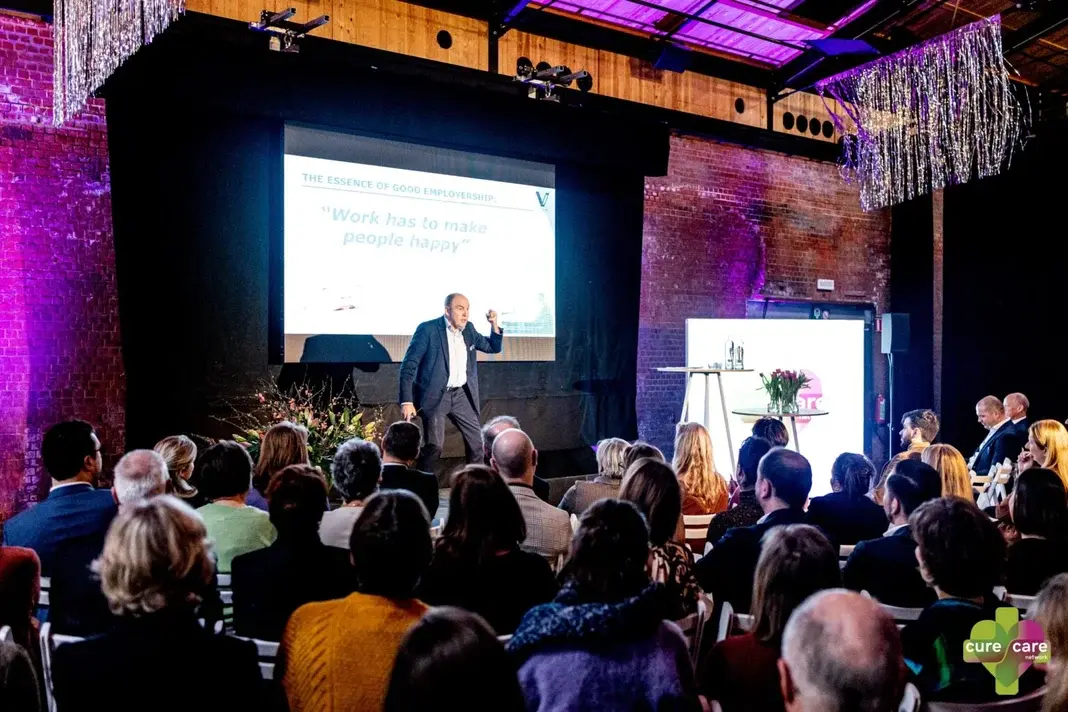
According to Dirk Buyens, the most important question to answer is: Why would someone want to work for you? Why should people choose to be led by you? Good employer practices, he explains, are about creating a climate where psychological safety allows teams to collaborate positively. It’s an environment where employees grow stronger because they receive support from their employer, and where they have a voice because the employer consults and engages with them. “That’s no small feat,” he admits.
“Good employer practices aren’t given to everyone. It’s a blend of art and skill.”
Structuring Your Approach to Talent
Piet Vandendriessche started at Deloitte Belgium as a junior at the bottom of the ladder and eventually rose to CEO. “But being at the top doesn’t automatically make you a good leader or employer. Leadership is teamwork,” he explains.
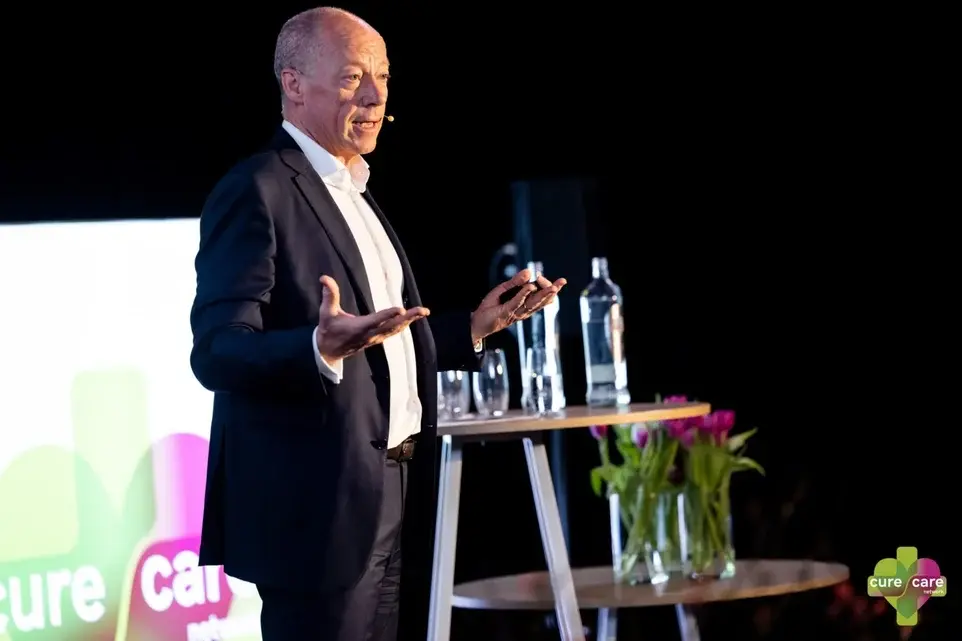
“No matter what your strength is as an individual, you have to collaborate.” He emphasizes the importance of surrounding yourself with people who are different from you, who challenge you, and who operate as a team. The CEO notes that “having an impact on society” is important for the people his company attracts today. People want meaningful work. More than material things, they choose purpose, sustainability, meaning, and values. Those values are not just words—people need to feel them. As an employer and leader, embody those values.
Today we are market leaders. The journey here was not easy, but it made me incredibly strong. From that journey, seven leadership principles emerged that I apply every day. They have empowered me as both an employer and a leader. Below are a few of them.
Change your thinking:
Everything starts with your thoughts. But did you know that 95% of your thoughts are yesterday’s thoughts? And that nine out of ten thoughts are negative? Change your thinking, and you achieve the opposite. It transforms your life.
Choose love over fear:
Often, we don’t realize how fear controls our lives, paralyzes us, and makes us sick. Do you make decisions out of fear of losing something, or out of love for your people and organization? Love heals.
Connection is healing:
People need human connection. Create an environment where you pay attention to people, truly see them, hear them, and validate them. Build heart-to-heart connections.
- The clearer your vision, the faster the progress
- The most important principle I want to share connects to the two questions raised by Professor Dirk Buyens: why would someone come work for you?
Why should people be led by you? The clearer your vision and the clearer the picture of who you are and what you want, the faster you can answer these questions.
That’s why I asked the audience to close their eyes and imagine stepping into a time capsule that lands in 2029.
Then I asked them these questions: What do you see? Where have you arrived? What does the environment you work in look like? What do your colleagues look like? Do you see happy faces? Are you surrounded by people who energize you, who are positive?
How do you feel? Do you have energy and strength? How much fulfillment do you feel when you go to work? What does it feel like to be appreciated every day? What does it feel like to truly contribute and work with people who care about you? How does it feel to make time to give attention to them?
How ready is the vision you take your team toward every day? How engaged are you with that point on the horizon, that goal you always keep in mind?
And so I continued asking questions.
Are these questions you’ve ever paused to consider? Only 5% of leaders actually think about the future and have a clear vision of where they want to go professionally and personally. Only 2% write it down. Yet the likelihood of realizing a future vision increases by 1000% when it is written down. One thousand percent!